
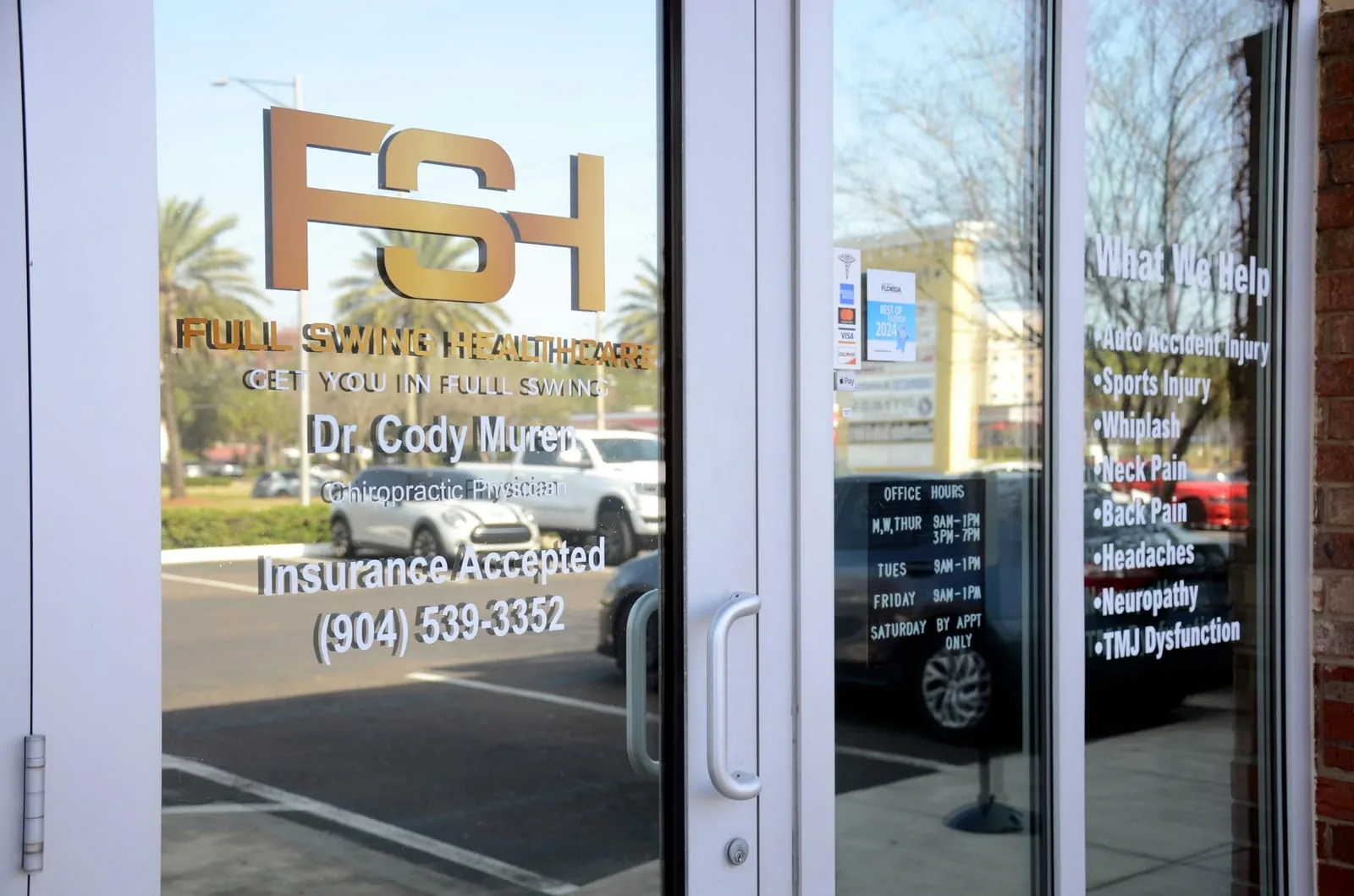
Most clinics hand you one tool and hope it fits. We do the opposite. Under one roof on Beach Blvd, we keep the whole toolbox, chiropractic, acupuncture, shockwave, cupping, scraping, dry needling, massage and rehab, so your care matches your body, not the other way around.
We assess before we adjust
Every plan starts with a real exam. Before anyone touches your spine, Dr. Cody Muren or Dr. Eric Hall figures out what’s actually going on, the joint, the muscle, the nerve, the old injury you forgot about. Then we pick the treatments that fit. Sometimes that’s a precise adjustment. Often it’s two or three modalities working together, because a tight back and a cranky tendon rarely respond to the same thing.
Combining modalities is the point. An adjustment frees the joint, dry needling resets the muscle, shockwave wakes up the tendon, stacked together, they get Jacksonville folks back in full swing faster than any single fix on its own.
The full toolbox
Twelve ways we get you moving again. Tap any one to see how it works, who it helps, and what to expect.
Our treatments & services
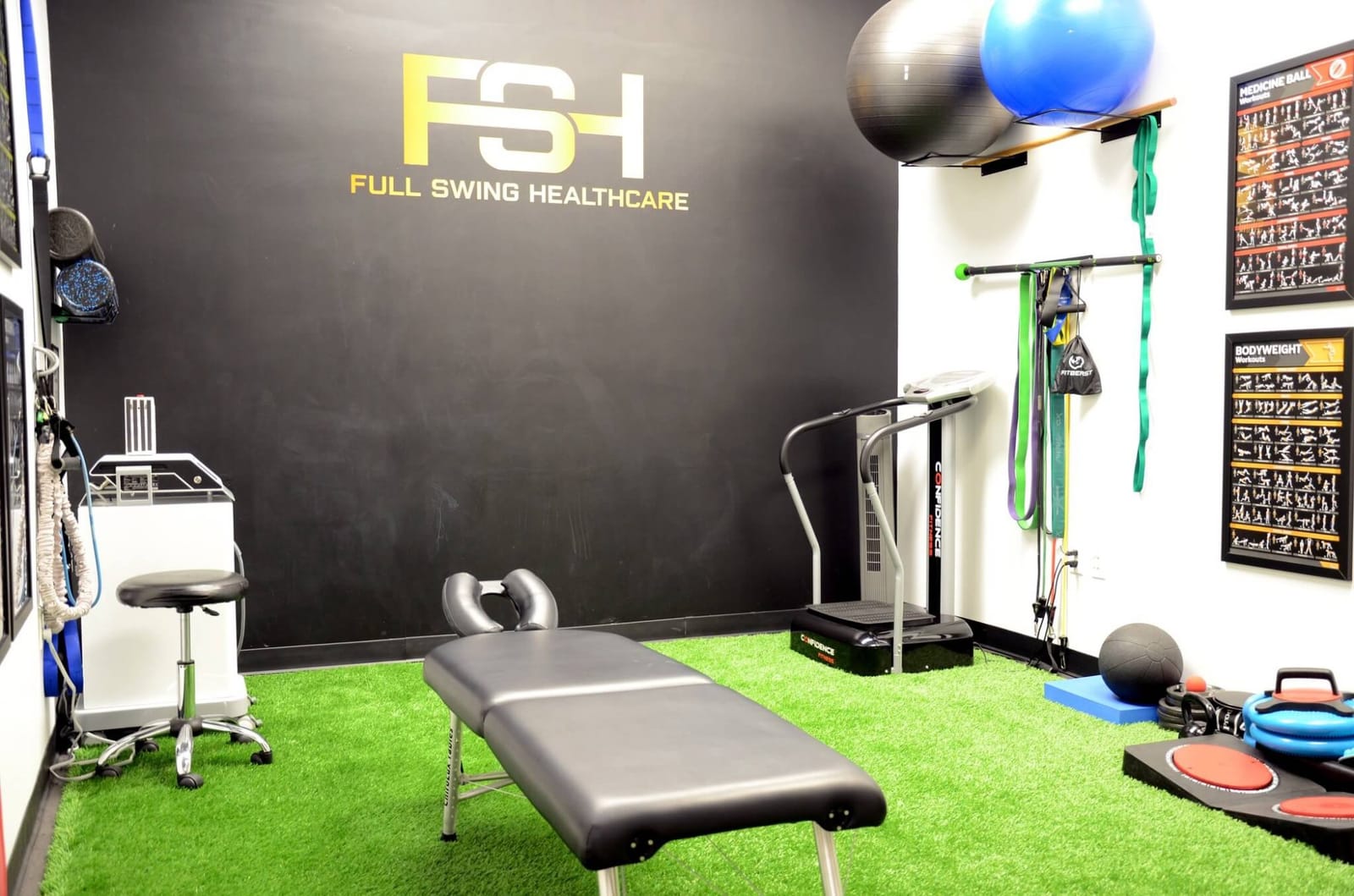
Chiropractor in Jacksonville
Two licensed chiropractors, a full exam first, and the right treatment for what we find.
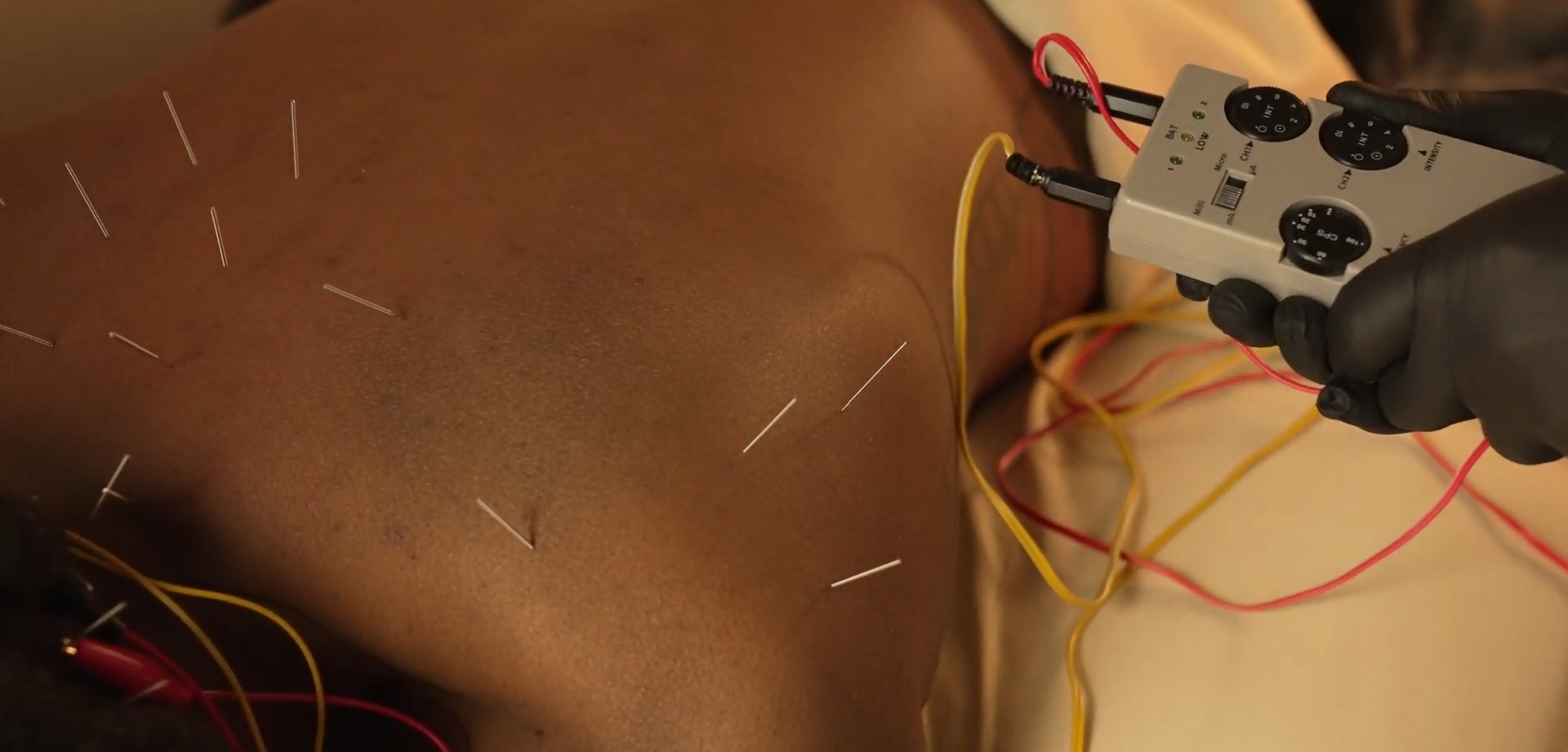
Acupuncture
Calm pain, tension and recovery, paired with chiropractic for lasting relief.
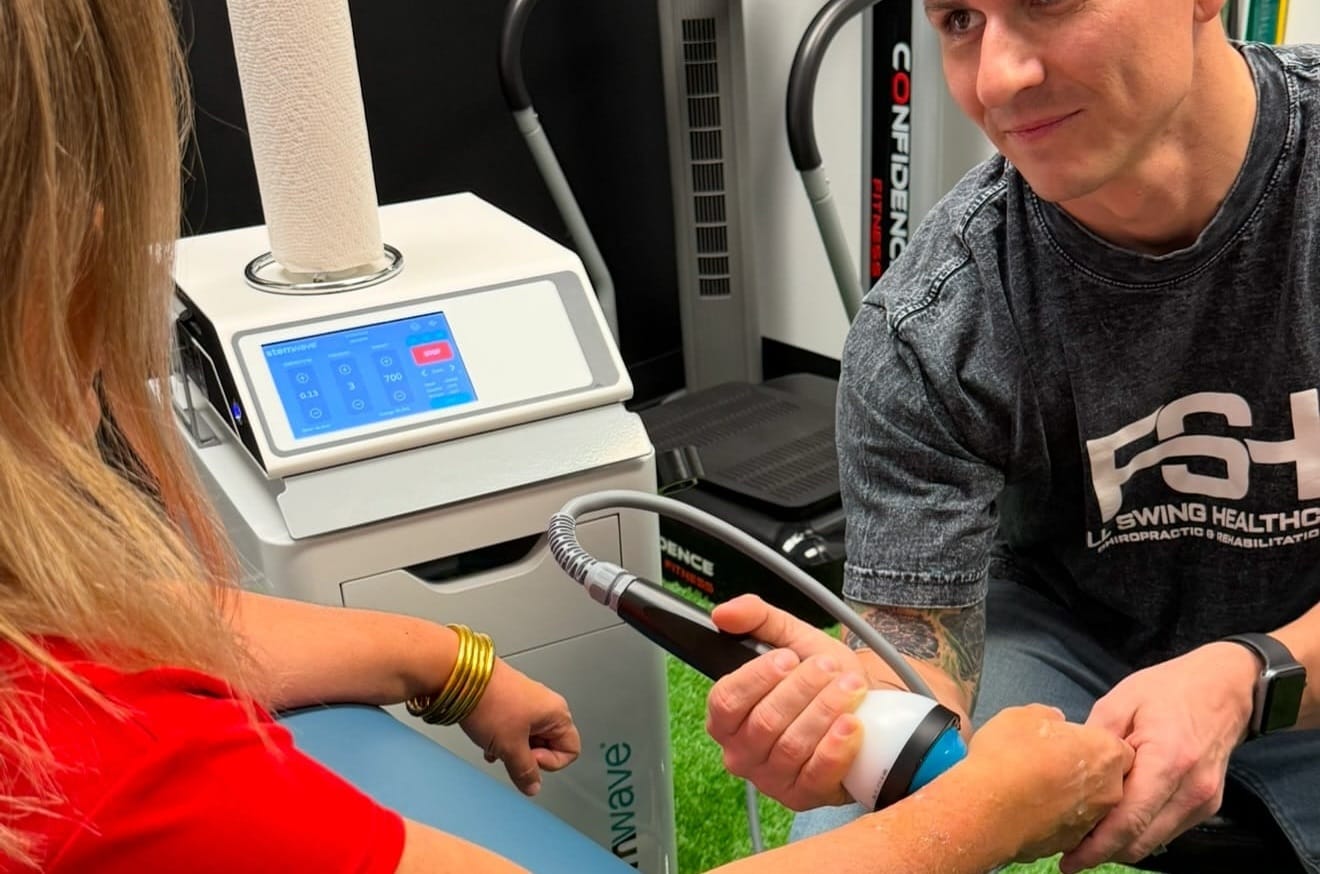
Shockwave Therapy
Acoustic waves that jump-start healing in stubborn tendons and soft tissue.
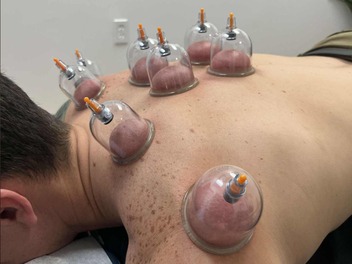
Myofascial Cupping
Release tight fascia and boost circulation so you move freely again.
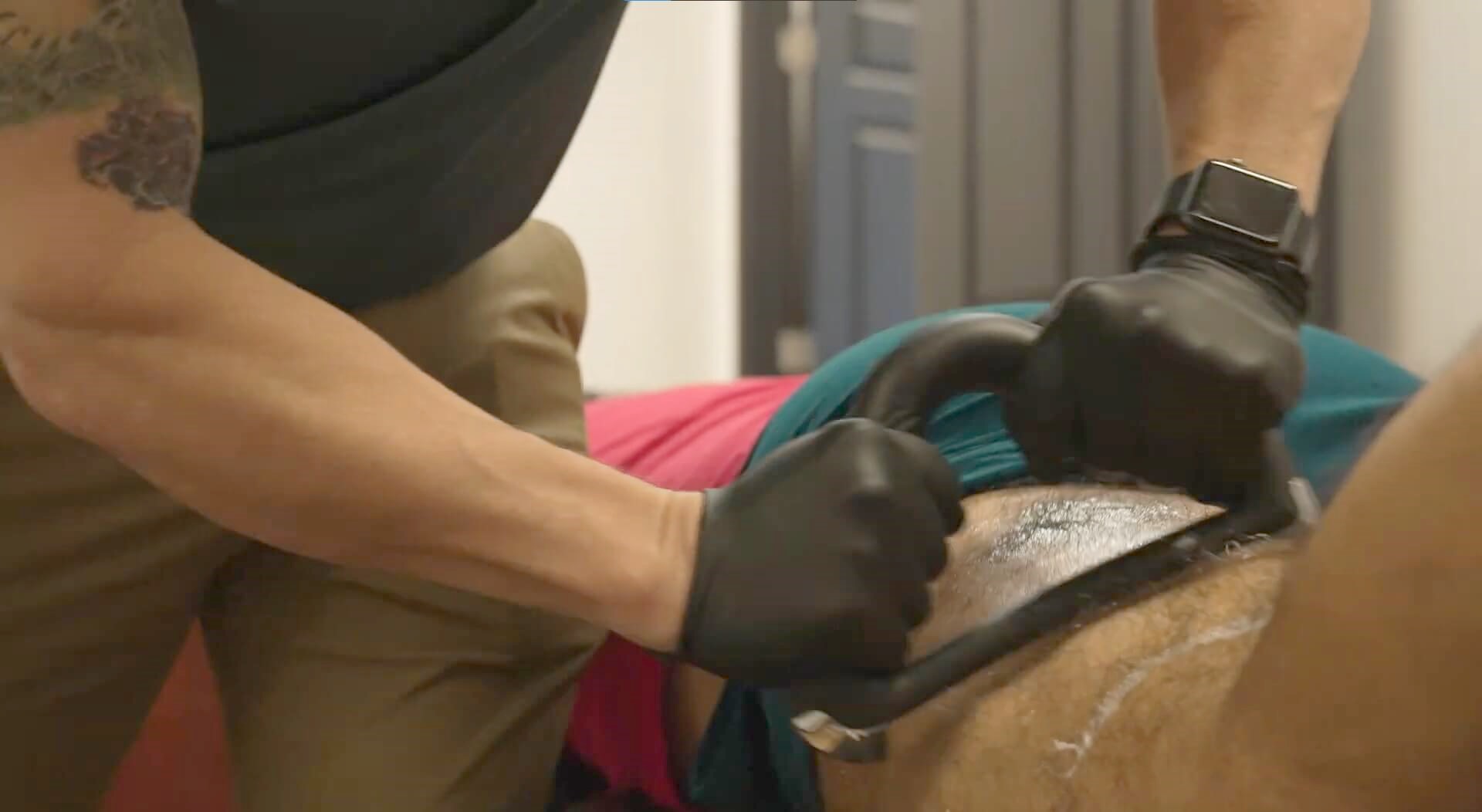
Myofascial Scraping
Instrument-assisted work that breaks up adhesions and speeds recovery.
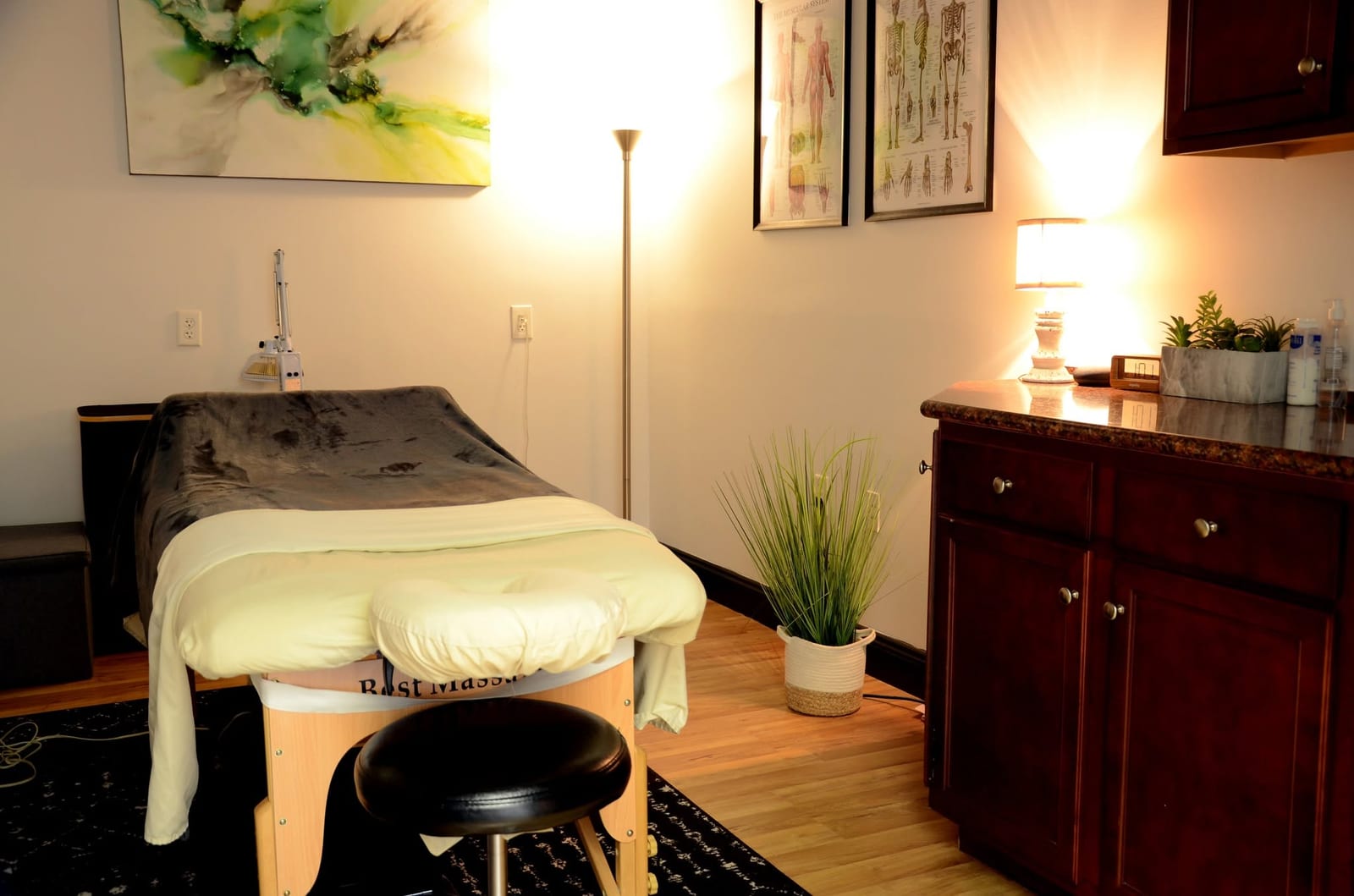
Massage Therapy
Therapeutic, not spa, soft-tissue work that complements your adjustments.
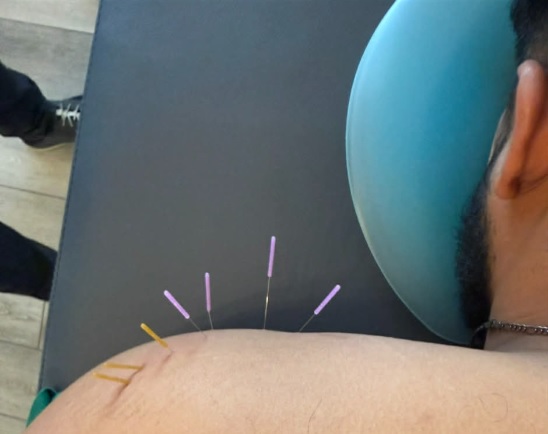
Dry Needling
Reset overworked muscles and kill trigger points at the source.
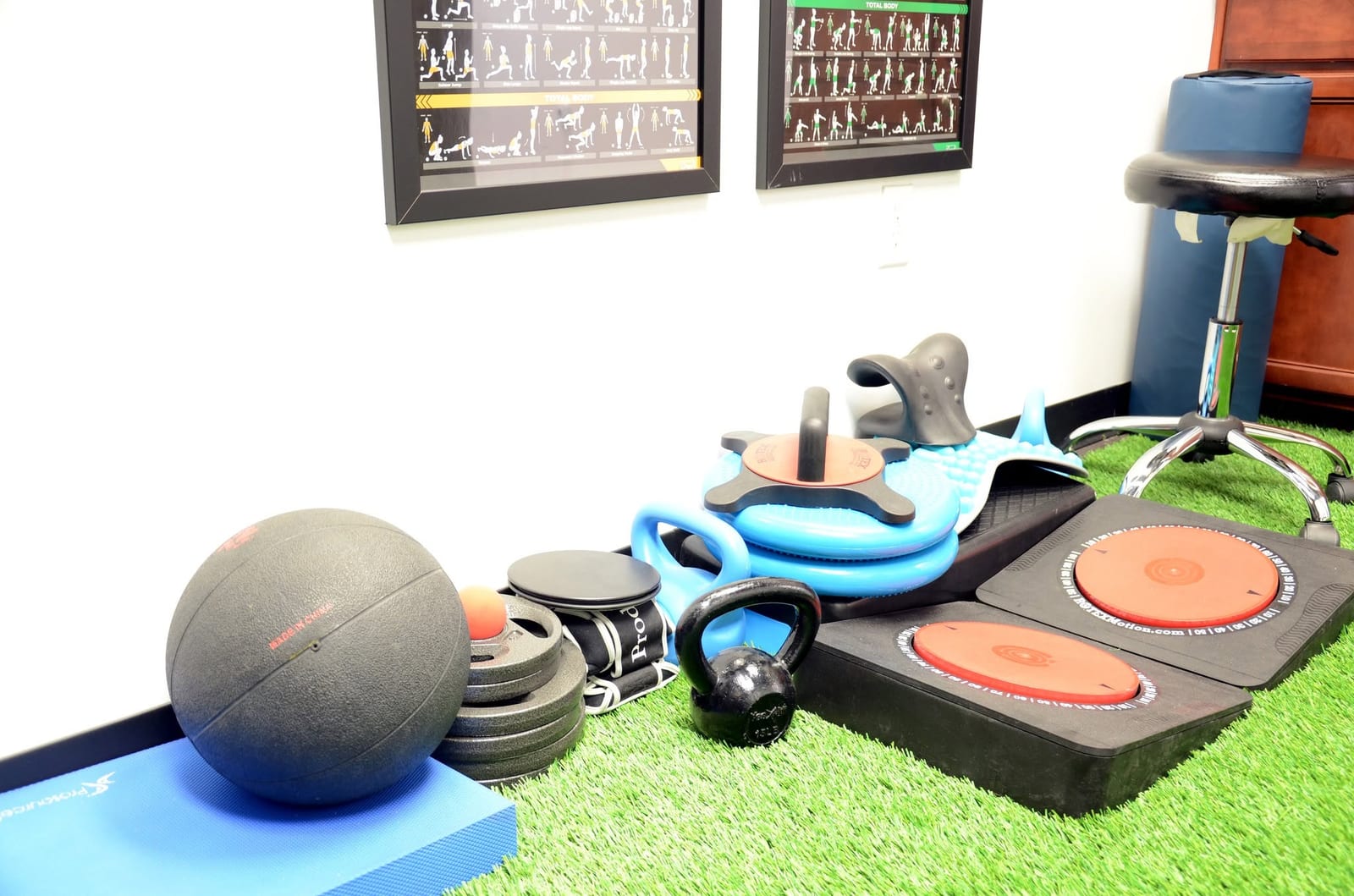
Athletic Recovery
Performance rehab for surfers, runners, golfers and lifters.
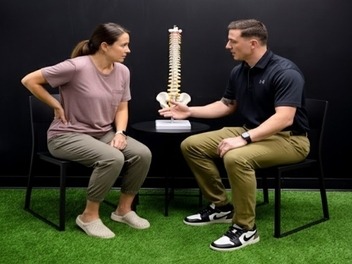
Auto Injury Care
Relief plus the documentation and insurance handling after a crash.
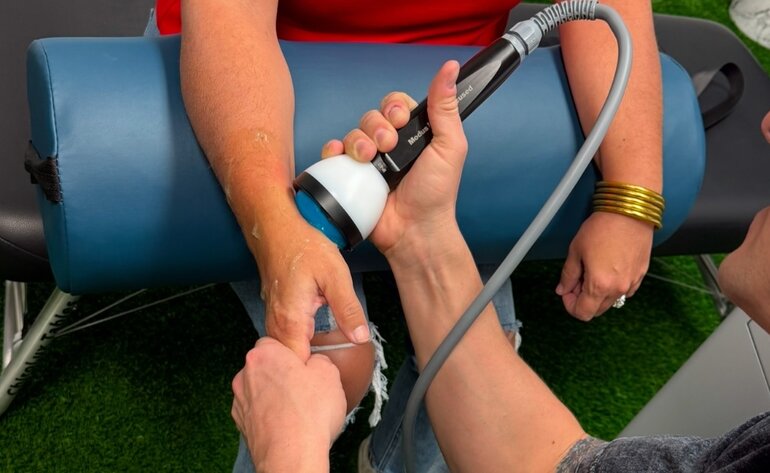
Work Injury Care
Back strain, repetitive stress and lifting injuries, relief and paperwork.
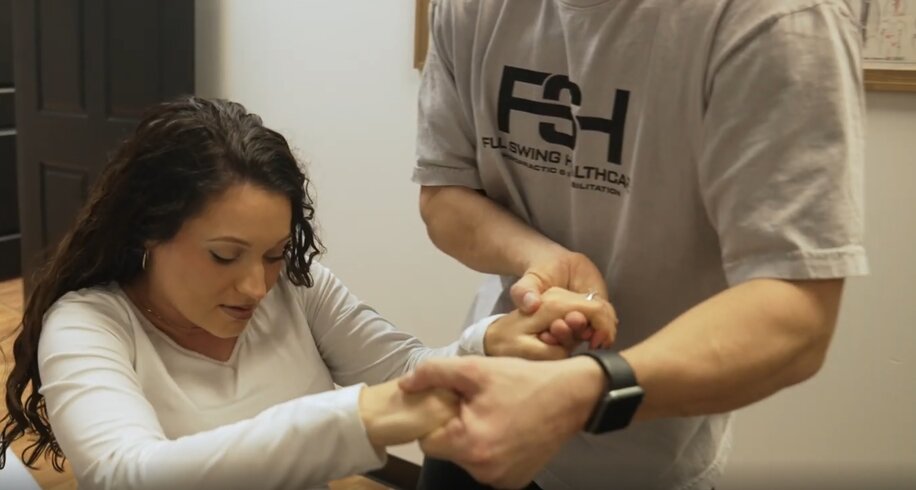
Prenatal Chiropractic
Gentle, safe care for pregnancy back pain through every trimester.
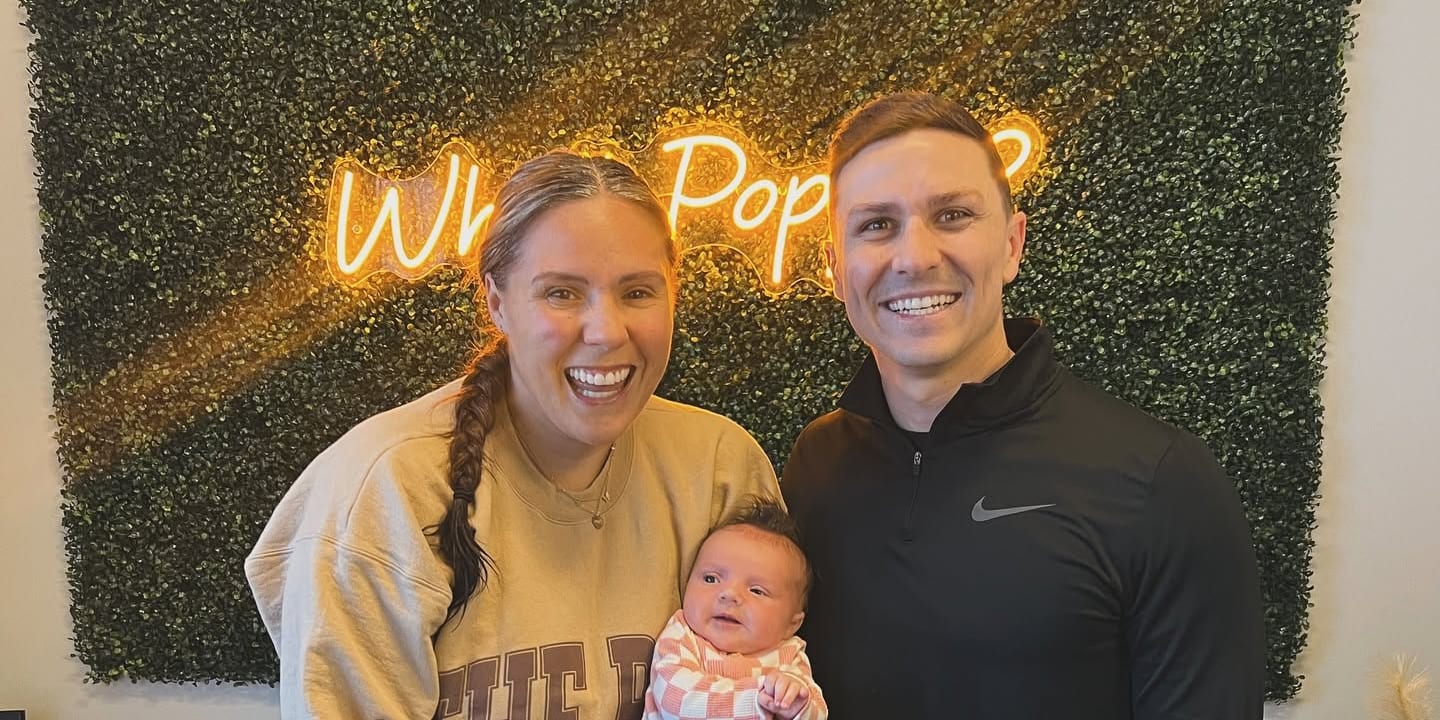
Postpartum Chiropractic
Recover, realign and relieve the aches of carrying and feeding baby.
Peptide Injections
Prescriber-led peptide therapy, assessed first and coordinated with your care.
One clinic, minutes from the beaches
You shouldn’t need three appointments at three offices to feel like yourself. We built Full Swing Healthcare so Jacksonville Beach, Neptune Beach, Atlantic Beach and Ponte Vedra patients can get the whole plan in one place, assessed, treated and pointed toward what’s next.
13 treatments under one roof
$115 first visit, exam included
Since 2017 caring for the beaches
205+ five-star Google reviews
Common questions
How do I know which treatment I need?
You don’t have to, that’s our job. Your first visit is a full exam, and from there we recommend the treatments that fit what we find. Most plans combine two or three modalities for faster results.
Can I get more than one treatment in a single visit?
Often, yes. Pairing an adjustment with dry needling, cupping or massage is common, and stacking them in one visit usually speeds up recovery. We’ll build a schedule that makes sense for your body and your week.
What does the first visit cost?
The first visit is $115 and includes your full exam. Follow-up adjustments are $50. We also accept Florida Blue, United Healthcare, Humana, Cigna, Florida Medicaid and VA benefits, call (904) 539-3352 and we’ll check your coverage.